Why New Bookkeeping Clients Ghost You After Signing (And the 3 Emails That Fix It)
Dec 28, 2025
You just signed a new bookkeeping client. You're excited. They seemed eager on the discovery call, they signed the contract without hesitation, and you're ready to dive into their messy QuickBooks file. But then... crickets. They don't respond to your emails asking for bank statements. They miss the deadline you set. Weeks go by, and suddenly you're wondering if they've changed their mind entirely.
This happens to every solo bookkeeper at some point. And honestly? It's maddening. You carved out time in your schedule, you're ready to help them, and they just... disappear.
But here's what I've learned after it happened to me one too many times: client ghosting after signing is almost never about you or your skills. It's about what happens—or doesn't happen—in those critical first few days after they sign.
I'm going to show you exactly why new clients disappear and give you the three specific emails that will stop it from happening. By the end of this post, you'll know exactly what to send, when to send it, and how to keep every new client moving forward without losing sleep over whether they're going to respond.
Why Clients Actually Ghost (It's Not What You Think)
When a client ghosts you after signing, it's rarely because they've had second thoughts about hiring you. Here's what's actually happening.
They're overwhelmed and don't know what to do next. Most business owners have never worked with a bookkeeper before. They signed your contract feeling relieved that help is finally here, but now they're staring at their inbox thinking, "Wait... what do I do now? What does she need from me? Where do I even find that?"
You went from high-touch to no-touch too quickly. During the sales process, you were responsive, clear, and helpful. Then they signed... and suddenly it feels like you disappeared. They're waiting for you to tell them what happens next, and when they don't hear from you immediately, they assume they need to wait for you to reach out. Meanwhile, you're waiting for them to send documents. Nobody wins this standoff.
They're embarrassed about the state of their finances. This one's uncomfortable but true: many clients delay sending you documents because they're ashamed of how disorganized things are. They know their books are a mess, and they're worried you'll judge them or realize they're "worse than your other clients." So they stall, thinking they'll "clean things up first" before sending anything over.
The lack of structure makes them de-prioritize you. When clients don't have clear deadlines, specific instructions, or a sense of urgency, your onboarding becomes just another task on their overwhelming to-do list. And we both know what happens to those tasks—they get pushed to next week, then the week after, then forgotten entirely.
The fix? Take control from day one with a structured email sequence that eliminates confusion, builds momentum, and makes it really hard for clients to fall through the cracks.
What Most Bookkeepers Do Wrong (And Why It Backfires)
Before we get to the solution, let's talk about the most common onboarding mistakes that lead to ghosting. I've made most of these myself.
Mistake #1: Assuming the client knows what to do next. You might think it's obvious that after signing a contract, they should send you their financial documents. But to them? Not obvious at all. They're wondering if you'll send them a checklist, if they should wait for you to reach out, or if there's a portal they're supposed to log into. Without clear, immediate direction, they freeze.
Mistake #2: Sending one massive "here's everything I need" email. You know the one. It's 47 bullet points long, requests documents they've never heard of, and makes the client feel like they're about to spend their entire weekend digging through file cabinets. The result? They get overwhelmed, close the email, and tell themselves they'll deal with it "later." Later never comes.
Mistake #3: Going silent after signing. This is the killer. The client signs your contract, you send a quick "thanks, I'll be in touch!" email, and then... nothing for several days while you finish up other client work. In their mind, the momentum has died. They think, "I guess she's busy. I'll wait to hear from her." And you think, "I guess he's busy gathering documents." Nobody moves forward.
Mistake #4: Not setting clear expectations for timing. When you don't tell clients exactly when you'll reach out, what to expect, and when things are due, they're left guessing. And when people are left guessing, they do nothing.
Your clients are not bookkeepers. They don't know what "Chart of Accounts" means, they've never heard of an EIN letter, and they definitely don't have a mental roadmap of what a bookkeeping onboarding process looks like. If you want them to take action, you need to lead them through it step by step—and that starts with the right emails at the right time.
The 3 Emails That Eliminate Ghosting (And When to Send Them)
These three emails will transform your client onboarding from a confusing mess into something that actually works. Here's what each email does and when to send it.
Email #1: The Welcome Email (Send immediately after signing)
This email goes out within 24 hours of contract signing—same day if possible. Its job is simple: reassure the client they made the right choice, outline exactly what happens next, and eliminate any confusion about the process.
What makes this email work is that it doesn't ask for anything yet. You're not overwhelming them with document requests on day one. Instead, you're setting expectations, building trust, and giving them a clear roadmap of the next 2-3 weeks. You'll mention that a questionnaire is coming (so they're not surprised), that you'll send a document list soon (so they know it's coming), and that you'll schedule a kickoff call (so they know they'll get face time with you).
When clients get this email, they feel taken care of instead of abandoned. They know what's coming, when it's coming, and that you're running the show.
Email #2: The Document Request Email (Send 1-2 days later)
This is where most bookkeepers screw it up, but when you do it right, this email becomes your secret weapon for getting documents fast.
Instead of dumping 30 items into one overwhelming list, this email organizes documents by priority. You separate "required for everyone" from "only if applicable" so the client isn't hunting for payroll reports they don't have. You give them a specific deadline (not "when you get a chance"). And you normalize the fact that they might not have everything—you even tell them it's okay to send what they have and work together to track down the rest.
This email also answers the question they're too embarrassed to ask: "What if my books are a disaster?" By acknowledging that you've seen it all and that messy books are exactly why they hired you, you remove the shame barrier that causes clients to stall.
Email #3: The Kickoff Call Invite (Send after receiving documents)
Once you've received their documents—or at least most of them—this email moves the relationship forward by scheduling your kickoff call. This is where you'll review everything, answer questions, and align on expectations.
What makes this email effective is that it's specific about what you'll cover in the call, it gives them time options (not an open-ended "let me know when you're free"), and it creates a sense of forward momentum. By this point, the client has completed the questionnaire, sent you documents, and is now getting ready for a live conversation with you. They're invested, engaged, and definitely not ghosting.
These three emails create a structured onboarding sequence that takes clients from "I just signed, now what?" to "I'm fully onboarded and confident in my bookkeeper" without any awkward gaps, confusing silences, or endless email tennis.
Why Timing Matters More Than You Think
You could have perfect emails, but if you send them at the wrong time—or with too much space between them—you'll still lose clients to ghosting. Timing is everything.
Momentum dies after 48 hours. When a client signs your contract, they're at peak excitement and commitment. If you wait three or four days to send your next email, that excitement fades. They move on to other priorities, and suddenly your onboarding becomes "that thing I need to get to eventually."
Spaced-out emails build anticipation and reduce overwhelm. Sending one email immediately, another 1-2 days later, and the third after receiving documents gives clients time to process each step without feeling buried. It also trains them to expect regular communication from you, which keeps you top of mind.
Consistent follow-through builds trust. When you do exactly what you said you'd do (send the questionnaire right after the welcome email, send the document request a couple days later), clients see that you're organized, reliable, and professional. That trust makes them more likely to prioritize your requests and stay engaged.
Don't let more than 2-3 days pass between touchpoints in the early stages of onboarding. Keep the rhythm steady, and your clients will stay with you.
How to Implement This Without Adding More to Your Plate
I know what you're thinking: "This sounds great, but I barely have time to do the bookkeeping work itself. How am I supposed to manage a whole email sequence for every new client?"
You only have to write these emails once.
Save each email as a template in your email system (Gmail, Outlook, whatever you use) or in a project management tool like Dubsado or HoneyBook. When a new client signs, all you do is swap in their name, your specific deadlines, and any client-specific details. The entire process takes less than five minutes per email.
You can even set up automations if you're using client management software. Welcome email triggers automatically when the contract is signed. Document request email sends two days later. Kickoff call invite waits until you mark "documents received." Set it up once and forget about it.
The time you save by not chasing ghosting clients, rewriting emails from scratch, or wondering why someone isn't responding will pay for itself ten times over. Plus, your clients will have a better experience, which means better reviews, more referrals, and fewer headaches for you.
Let's Make Sure You've Got This
Why clients ghost: They're overwhelmed, they don't know what to do next, they're embarrassed about their messy books, and you accidentally went radio silent after they signed. It's not about you—it's about the lack of structure and clarity in those first critical days.
What fixes it: Three strategic emails sent at the right time. The Welcome Email reassures them and sets expectations immediately after signing. The Document Request Email organizes what you need and gives them a clear deadline without overwhelming them. The Kickoff Call Invite moves them into the final stage of onboarding once documents are in. Together, these emails create momentum, eliminate confusion, and make ghosting nearly impossible.
The result? Clients who stay engaged, respond quickly, and see you as the organized professional you are. No more chasing. No more wondering if they changed their mind. No more starting over with a new client because the last one disappeared.
You now have the blueprint. The question is whether you're going to keep losing clients to ghosting or start onboarding them like a pro.
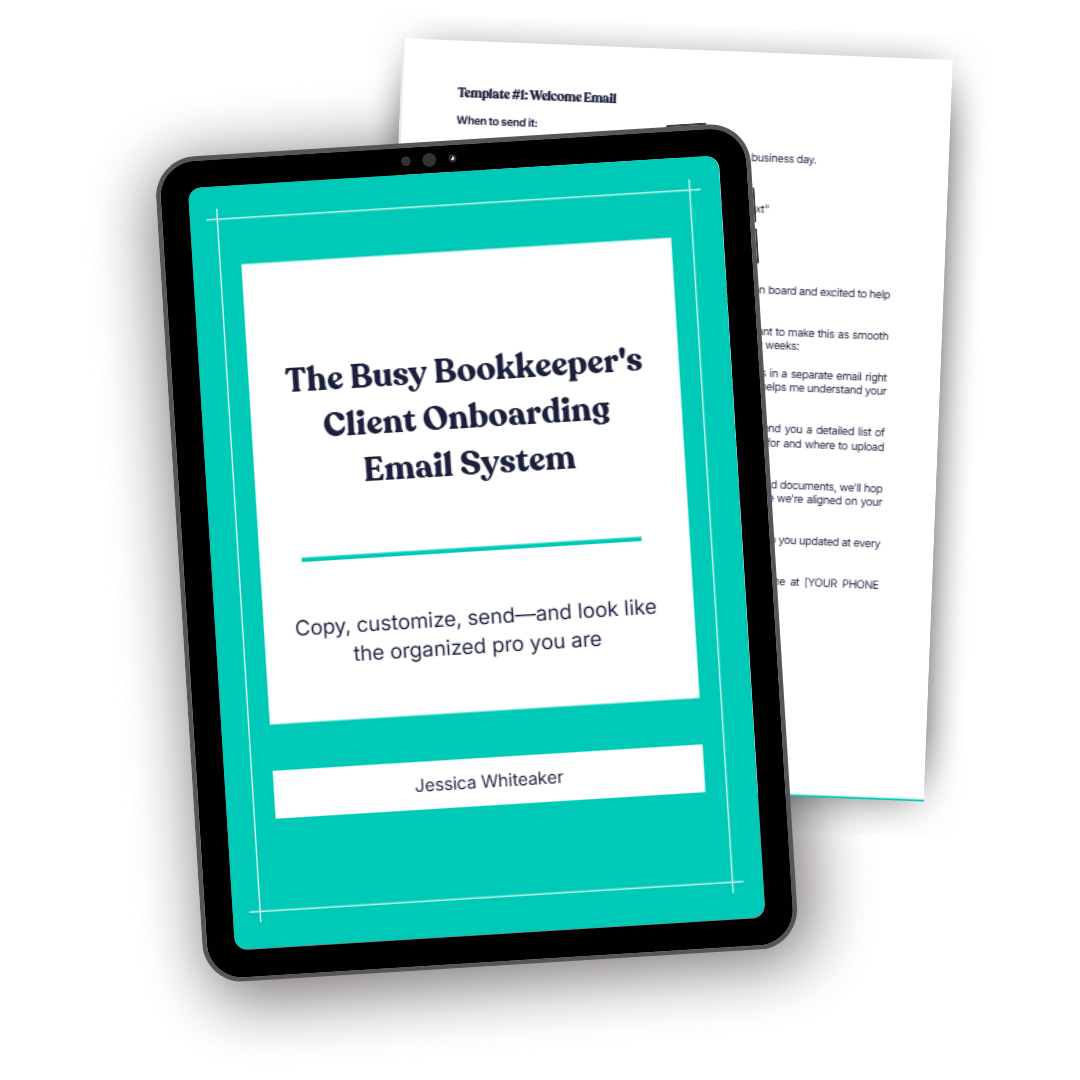
Download the exact email templates here—copy, customize, and start using them with your next client today. Get "The Busy Bookkeeper's Client Onboarding Email System" free.